
How to Protect a Gate Operator From Rat Damage
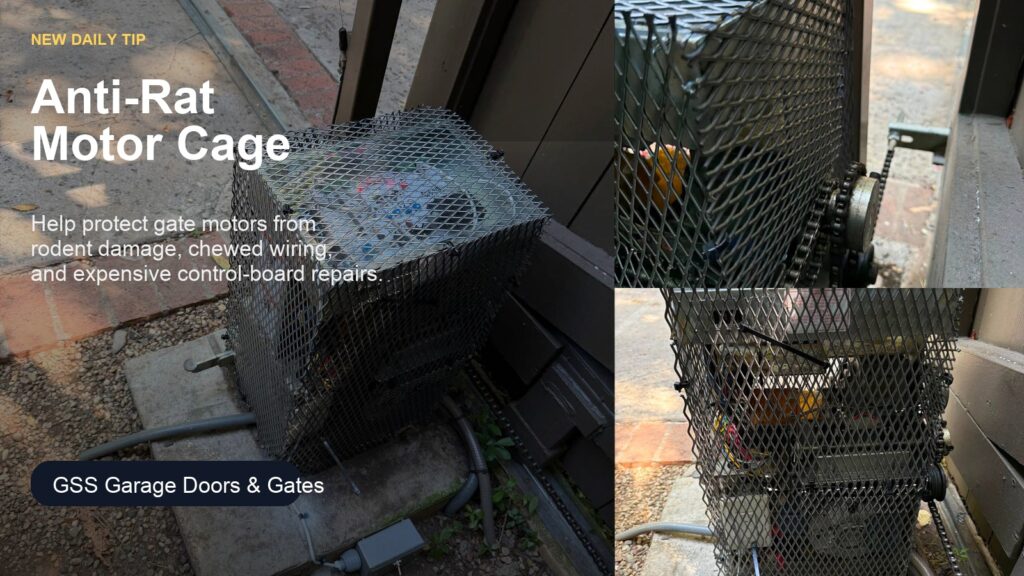
A custom anti-rat motor cage can help protect automatic gate operators from rodent damage, chewed wiring, and expensive electrical repairs.
Annual Full System Maintenance Saves Money and Downtime
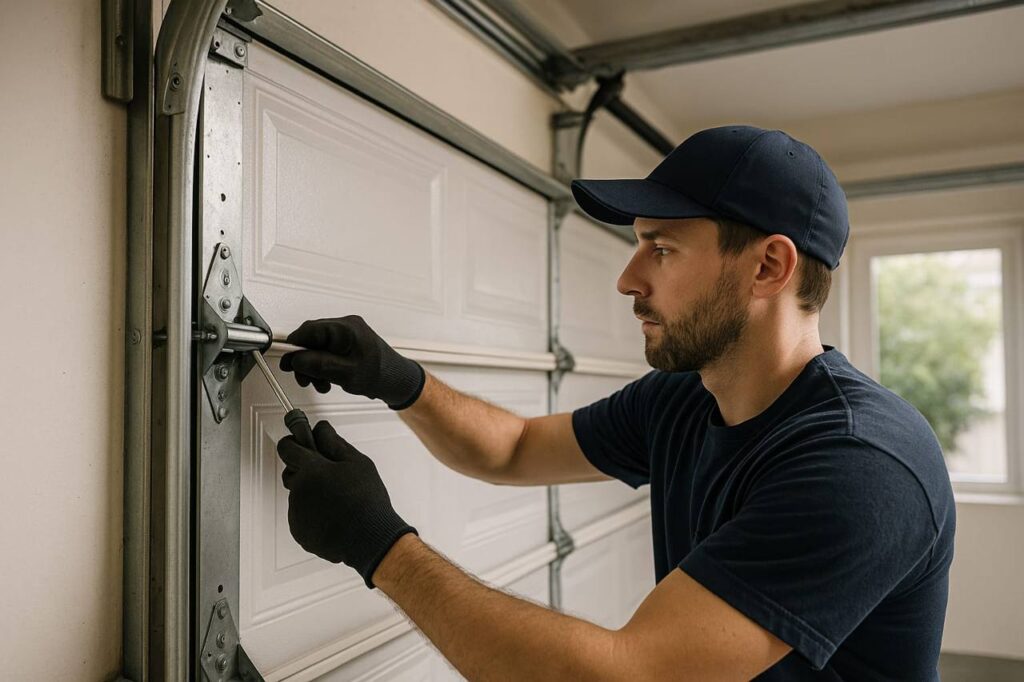
A full maintenance visit is usually cheaper and easier than dealing with a sudden breakdown at the wrong time.
Recheck Safety Devices After Vehicle Contact or Impact
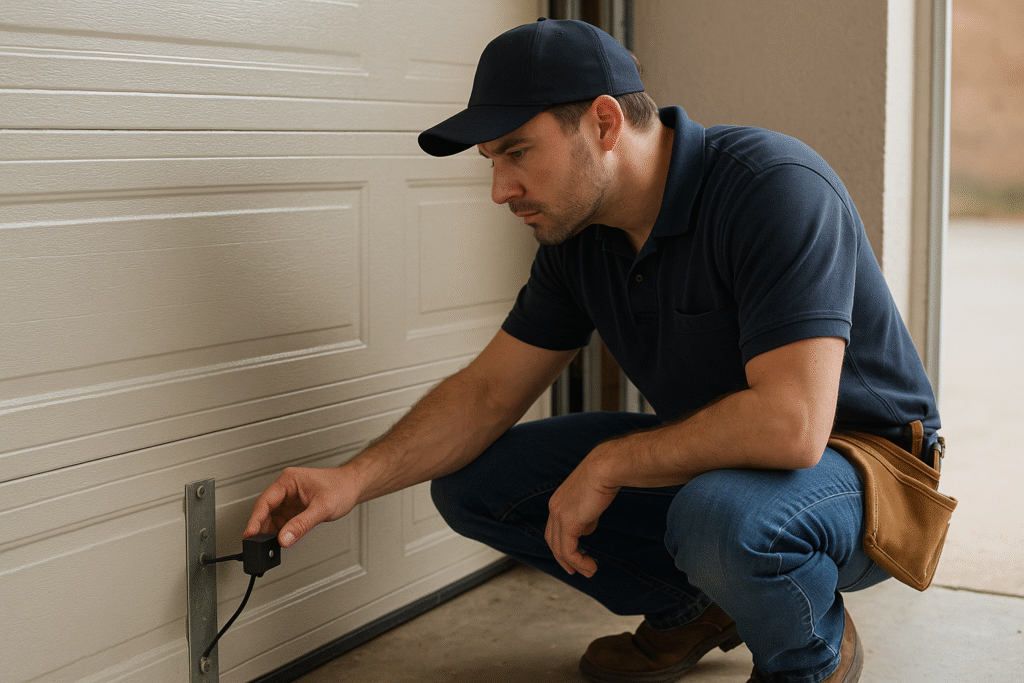
If a car bumps a garage door, track, gate, post, or safety device, do not assume everything is still aligned correctly.
Test Backup Batteries on Gate and Garage Door Operators
A backup battery only helps when it is still healthy, charged, and tested before an outage happens.
Do Not Let Cracked Hinges or Bent Brackets Wait
Small hardware damage can spread fast once the system keeps cycling under load.
All-O-Matic vs LiftMaster Gate Operators: What to Consider
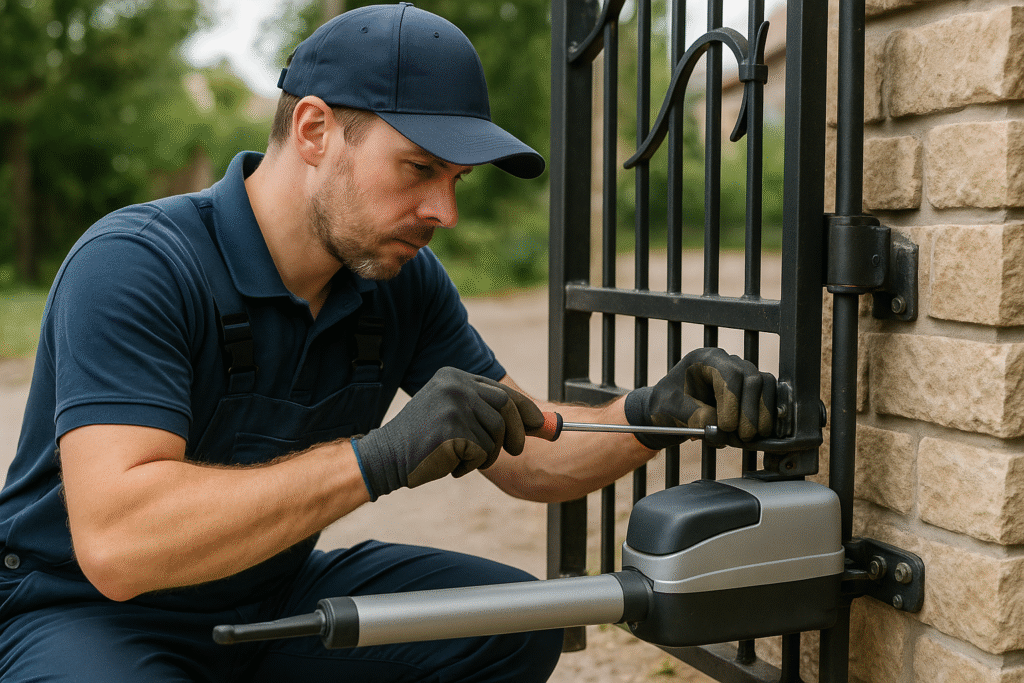
Choosing a gate operator is about more than brand name. Gate size, duty cycle, access controls, safety devices, and local service support all matter.
Check Garage Door Cables for Fraying
Worn or frayed garage door cables are a warning sign that should be inspected before a bigger failure happens.
Clean and Protect Decorative Iron Gates Before Corrosion Spreads
Decorative iron gates look best when rust spots are handled early instead of after finish damage spreads.
Why Gate Limit Settings and Timers Should Be Checked
After repair work or operator changes, gate open and close limits, hold-open timing, and safety behavior should be reviewed before normal use.
Chain Drive vs Belt Drive Garage Door Openers
Chain drive openers are often chosen for strength and value, while belt drive openers are usually quieter for attached garages and daily comfort.